
Dash cams have become a common accessory for many drivers hoping to protect themselves on the road....
Dash cams have become a common accessory for many drivers hoping to protect themselves on the road. These small cameras can provide valuable footage in the event of a collision, especially when the details of a crash are unclear or disputed. While a dash cam can create an objective record of what occurred, the decision to install one depends on understanding both its strengths and potential drawbacks. This overview explains how dash cams work, when they can be helpful, and what drivers should keep in mind before using one.
Why Dash Cams Are Becoming More Common
Many drivers are turning to dash cams as accident rates remain elevated and disagreements about fault occur more frequently. Without a neutral witness, drivers may find themselves in a stressful situation where each person recalls the event differently. In these scenarios, clear video evidence can be extremely useful.
Studies support the rising interest in camera-based monitoring. Research published in the Journal of Safety Research reported an 86% reduction in crash-related expenses when dash cams with driver feedback systems were used. Although the findings applied to a specialized setting, they illustrate how recorded footage can help reduce unsafe behaviors and clarify what occurred during an incident. For everyday drivers, this reinforces the idea that video documentation can help streamline insurance claims and factual assessments.
How Dash Cams Function on the Road
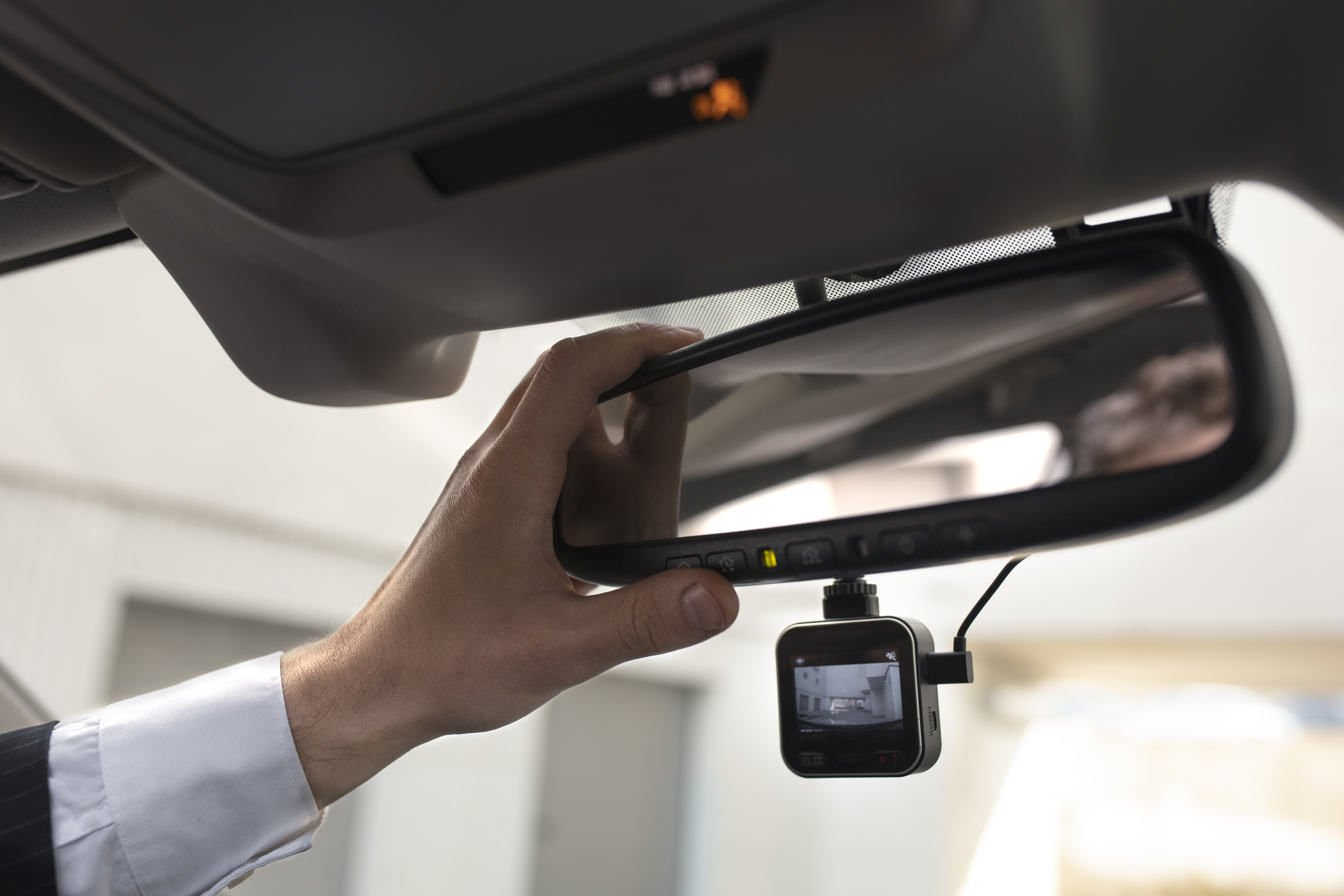
A dash cam is a compact recording device typically attached to a vehicle’s dashboard or windshield. When the engine is running, most models automatically capture video and store it on a memory card. Many cameras rely on loop recording, meaning the oldest clips are erased as space is needed unless the user saves them manually.
Some cameras include additional features beyond standard road recording. For instance, certain models activate outside normal driving if they detect movement or an impact, making them useful for documenting hit-and-run accidents or parking lot damage. Higher-end options may also offer rear-facing cameras, nighttime visibility, GPS data tracking, or cloud-based storage. Despite these differences, the primary purpose remains consistent: to provide an objective record of events.
How Dash Cam Footage Can Support a Post-Accident Investigation
One of the clearest advantages of using a dash cam is its ability to capture the moments surrounding a collision. When drivers disagree on how an accident occurred and no witnesses are present, footage can reveal important details that are otherwise difficult to verify.
Recordings may show lane positions, the timing of traffic signals, sudden braking, or driver movements that contributed to the crash. This information can be especially valuable when attempting to prove that another driver failed to yield, drifted into your lane, or created a hazardous situation. When insurance adjusters or attorneys are reviewing a claim, clear footage can help reduce confusion and resolve disputes more efficiently.
Reducing the Risk of Fraud and False Allegations
Although staged accidents and fabricated claims are not widespread, they do happen. In these situations, a dash cam can serve as critical evidence. There have been instances where recorded video revealed intentional collisions or misleading accounts aimed at placing responsibility on an innocent driver.
By documenting the actual chain of events, a dash cam can make it far more difficult for false accusations to stand. While no device can prevent every deceptive attempt, having objective footage often discourages fraudulent conduct and protects drivers from being blamed unfairly.
Capturing Details in Hit-and-Run Situations
Hit-and-run accidents can be particularly upsetting and frustrating, especially when the other driver leaves without providing information. Dash cams can sometimes record key identifiers such as license plates, vehicle color, or other distinguishing features.
Models equipped with parking mode provide added protection by activating when the camera senses movement or an impact. Even when the driver is away from the vehicle, the camera may still record helpful footage that assists in identifying the responsible party.
Understanding the Limits of Dash Cams
While dash cams offer many advantages, it is important to recognize their limitations. A camera can only capture what falls within its view. Accidents that take place outside that angle may not be reflected accurately, and footage can be obstructed or unclear depending on lighting or weather conditions.
The device also records all activity, not just the moments involving another driver. If the footage shows unsafe behavior such as distracted driving, speeding, or aggressive maneuvers, that material could be used against you. Dash cams are impartial tools, and the information they contain may support or contradict a driver’s account.
Legal and Privacy Factors to Consider
Drivers should also think about legal and privacy issues before installing a dash cam. Some states regulate where cameras can be placed on a windshield to prevent blocking the driver’s line of sight. Incorrect positioning could violate local rules or compromise safety.
Privacy laws are another important factor. In states with two-party consent rules, recording audio without permission from all passengers may present legal challenges. Additionally, footage must be handled responsibly, especially if it may later be used in an insurance claim or legal proceeding. Maintaining proper storage and ensuring that recordings are not altered can be essential in preserving their validity.
Deciding Whether a Dash Cam Is Right for You
Choosing to install a dash cam ultimately depends on personal preferences, driving patterns, and comfort with the responsibilities that come with video recording. For individuals who frequently commute, drive for work, or have previously encountered contested accidents, the benefits of having objective footage may be compelling.
Others may feel less comfortable with the privacy implications or the possibility that their own actions could be captured in a way that undermines their position. What matters most is making an informed choice. Understanding how insurers and legal professionals evaluate dash cam footage can help drivers avoid unexpected outcomes.
If you have been in a crash and are unsure how dash cam footage may influence a personal injury claim, seeking professional legal guidance can help you navigate the next steps. Video recordings can be powerful tools, but the way the evidence is handled is just as important as the content itself.